Have you ever heard the lingering buzzing, cicada chirping, or ringing of bells in the quiet of the night? If this sound persists, you may be experiencing tinnitus. About 10-15% of the global population is affected by tinnitus, with approximately 1-2% experiencing a significant decline in their quality of life as a result. Tinnitus is not only a symptom, but also a warning light for health problems.
01 Top 10 Hazards Caused by Tinnitus

1. sleep disorder
Continuous tinnitus is particularly noticeable in a quiet environment, leading to difficulty falling asleep, multiple awakenings during the night, or a decrease in sleep quality. Long-term sleep deprivation can trigger a series of health problems.
2. Difficulty concentrating
The tinnitus sound continuously interferes with the thought process, making it difficult for people to concentrate during work or study, leading to a significant decrease in efficiency and an increase in the error rate.
3. Emotional problems and anxiety depression
Long-term tinnitus may lead to emotional problems such as anxiety, depression, and irritability. A study shows that about 33% of severe tinnitus patients have anxiety symptoms, and 25% have a tendency towards depression.
4. Social isolation
Tinnitus patients' ability to recognize speech in noisy environments decreases, leading them to avoid social situations and gradually become detached from society, creating a sense of loneliness.
5. Career impact
Distractibility, fatigue, and communication difficulties may affect work performance, even leading to hindered career development or unemployment.
6. Decline in cognitive function
Long-term tinnitus is associated with a decline in memory and executive function, which may accelerate the process of cognitive decline, especially in the elderly.
7. Worsening hearing loss
Although tinnitus does not directly cause hearing loss, the two often occur together, and tinnitus may make existing hearing problems more prominent.
8. Comprehensive decline in quality of life
From leisure activities to daily tasks, tinnitus continuously affects all aspects of life, reducing overall life satisfaction.
9. Economic burden
Seeking medical treatment, purchasing auxiliary devices, and decreased work efficiency all bring direct or indirect economic pressure.
10. Chain reaction of physical health
Long-term stress and sleep deprivation may lead to a chain reaction of physical health issues, such as a decrease in immune function, elevated blood pressure, and digestive problems.
02 Why does tinnitus cause these hazards?
Tinnitus is essentially an abnormal perception of sound signals by the brain. When there is a problem in one of the links in the auditory pathway, the brain may "fill in" the missing signals, producing a perceived sound. This persistent abnormal signal activates the brain's stress response system, leading to a state of chronic stress and subsequent various physical and mental health issues.
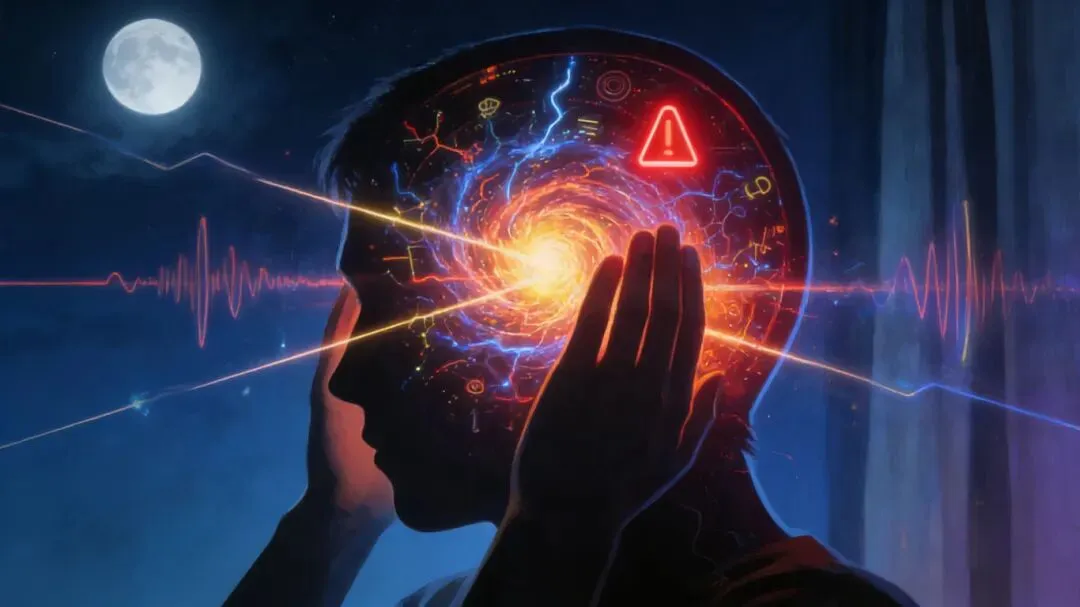
Significant progress has been made in tinnitus research in recent years. From neuroregulatory technologies to personalized sound therapies, new treatment methods are continually emerging. It is important to recognize that, while tinnitus cannot yet be cured, it can be significantly managed through comprehensive care, allowing most people to regain a good quality of life.
Special Note
If your tinnitus starts suddenly, occurs in only one ear, or is accompanied by symptoms such as dizziness or a sharp drop in hearing, seek medical attention immediately as this may be a sign of a medical emergency.
Tinnitus is not a fate you have to "put up with." Understanding its dangers is the first step towards taking action. If you or someone you care for is struggling with tinnitus, start taking it seriously today, seek professional help, and regain the tranquility and balance in your life.