According to the World Health Organization, about 15-20% of the global population is affected by tinnitus, with 2-3% of people severely affected by it in their lives. What is more worrying is that with the increase in noise exposure and the aging of the population, the incidence of tinnitus is increasing year by year.
How can we protect that precious "silence"?
01 Prevent before it happens, four scientific strategies
Modern medicine shows that more than 90% of tinnitus can find clear causes, and prevention has scientific basis.
1. Noise protection: Guard the "85 decibel" red line
Industrial noise, high-decibel music, and long-term headphone use are the main causes of noise-induced hearing loss and tinnitus.
Prevention tips:
Wear noise-cancelling earplugs or earmuffs in noisy environments
Follow the "60-60" headphone principle (volume ≤ 60%, duration ≤ 60 minutes)
Give your ears a "quiet holiday" every day

2. Managing systemic diseases: Tinnitus is the body's alarm
High blood pressure, diabetes, thyroid issues, cervical spondylosis... all can trigger tinnitus by affecting blood supply or nerve conduction.
Prevention tips:
Regular health check-ups and controlling underlying conditions are a long-term investment in hearing.

3. Use drugs with caution: Stay away from ototoxic drugs
Over 200 drugs have potential ototoxicity, including certain antibiotics, diuretics, chemotherapy drugs, etc.
Preventive tips:
Make sure to follow doctor's orders when taking drugs, do not adjust the dosage on your own, and pay attention to changes in hearing.

4. Stress Management: Breaking the "Tension-Tinnitus" Cycle
The prevalence of tinnitus among people with long-term stress is 40% higher than the general population.
Prevention Tips:
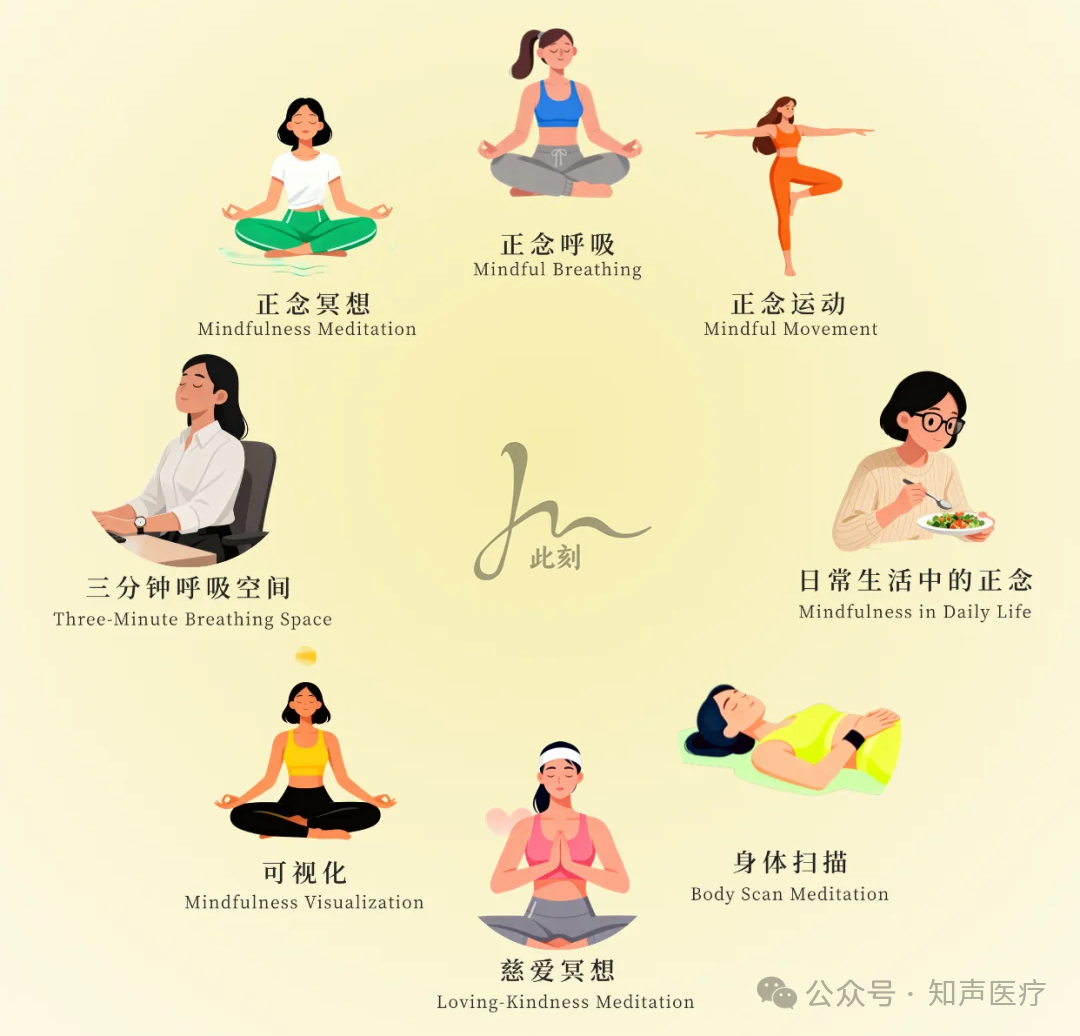
Regular exercise, mindfulness meditation, and relaxing hobbies can reduce cortisol levels and enhance neuroplasticity.
02 Coexistence with Tinnitus: If Tinnitus has occurred
If tinnitus has already occurred, there is no need to despair. Modern medicine has many methods to help you reduce the distress and return to tranquility.
1. Sound Therapy: Reduce Tinnitus perception with soothing external sounds
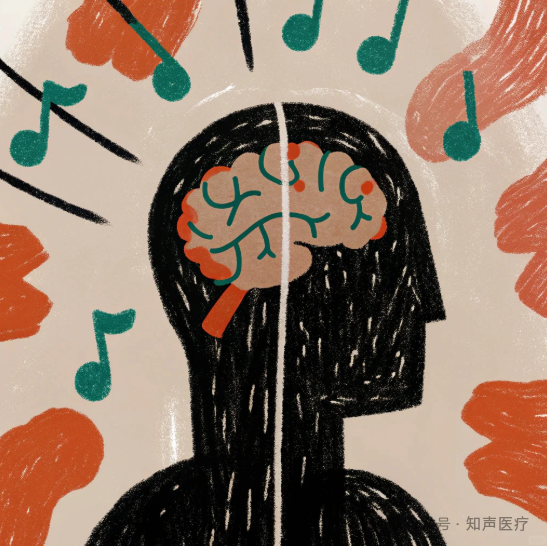
By introducing soothing external sounds, reduce the brain's perception of tinnitus.
White noise machines, natural sounds (rain, waves)
Tinnitus掩蔽 devices
Therapeutic music
More than 70% of patients experience a significant reduction in symptoms after 3-6 months of treatment.
2. Cognitive-behavioral therapy: Change your relationship with tinnitus
Instead of eliminating the sound, change your reaction to it. By cognitive reconstruction, relaxation training, and distraction, gradually "background" the tinnitus. Research shows that more than 60% of patients experience a significant improvement in anxiety and depression.
3. Lifestyle fine-tuning: Find peace in your daily life
Diet: Reduce caffeine, alcohol, and salty foods; increase zinc, magnesium, and B vitamins (nuts, dark green vegetables, whole grains).

Sleep: Establish a fixed pre-bed routine, keep the bedroom dark, and use masking sounds to help sleep.

Physical methods: neck stretching, jaw joint relaxation, acupuncture, etc., may improve local circulation.
03 The Future is Here: New Horizons in Tinnitus Management
Mobile APPs offer customized sound therapy and mindfulness training
Wearable devices monitor stress in real-time and prompt intervention
Artificial intelligence attempts to develop management plans based on personal data
Important Reminder:
If tinnitus is new, unilateral, or accompanied by sudden hearing loss, vertigo, etc., be sure to seek medical attention promptly to rule out serious diseases such as acoustic neuroma, Meniere's disease, etc.
The prevention and treatment of tinnitus, essentially, is a practice of life philosophy.
Creating tranquility amidst the clamor
Find inner balance in the midst of unchangeable symptoms.
Through scientific prevention and wise management
We are not only treating a symptom,
to cultivate a greater ability to live in harmony with oneself and the world.
Silence is priceless, may we both hear the world and the peace within our hearts.
How are your ears today?
Welcome to share your experience of tranquility or small habits of ear care.
Follow us to get more practical health guides.